Italian food has a reputation problem for vegetarian and vegan travelers — people assume it’s all meat sauces and cured pork, when in reality Italian cuisine is built on vegetables, legumes, and cheese in a way that makes it one of the easier European countries to eat plant-based in, once you know where to go and what to ask for. This vegetarian and vegan food guide to Italy covers real, specific restaurant recommendations across Rome, Venice, Florence, Milan, the Amalfi Coast, and Lake Como — not just “pasta is technically vegetarian” advice.
A Quick Note on Eating Veg in Italy
The phrase you want is “senza carne” (without meat) or, for strict vegan needs, “vegano/vegana” — Italian servers increasingly recognize the vegan term, but don’t assume it, especially outside major cities. Watch for hidden animal products: parmesan is almost never vegetarian (it uses animal rennet), and many “vegetable” soups start with a meat or chicken stock base. When in doubt, ask directly rather than assuming a dish is safe because it looks plant-based on the menu.
Rome
Margutta RistorArte (near Piazza del Popolo) — Running since 1979, this is Rome’s original upscale vegetarian restaurant, offering a rotating lunch menu built around several nutritional themes and a proper fine-dining vegetarian dinner service. Reserve ahead; it’s popular with both locals and visitors.
Vega Food (Centro Storico, near Piazza Navona) — Ayurvedic plant-based cuisine from Indian chefs, doing curries, dahl, and rice dishes. A genuinely useful stop if you want a break from pasta-and-pizza fatigue a few days into the trip.
Venice
La Tecia Vegana (Cannaregio) — Venice’s dedicated fully-vegan restaurant, and worth seeking out specifically for its house-made ravioli and lasagna, plus a raw zucchini noodle dish with cashew sauce that’s better than it sounds on paper.
Sullaluna Libreria & Bistrot (Cannaregio) — A bookshop-café combination with a dedicated vegan menu of salads, falafel, and crostini, plus vegan wine options. A relaxed, unhurried spot away from the Rialto Bridge crowds.
Florence
Il Vegetariano (Via delle Ruote) — Operating since 1981, this is one of Italy’s oldest vegetarian restaurants, with a daily-changing menu built around seasonal, locally-sourced produce. Simple, unpretentious, and reliably good.
Veg & Veg (inside Mercato Centrale Firenze) — A stall inside the central market doing house-made bean burgers and veggie bowls, useful if you’re already at the market grazing and want a guaranteed plant-based option among the meat-heavy stalls around it.
Milan
Joia (Porta Venezia area) — The first vegetarian restaurant in the world to earn a Michelin star, and still one of the most serious plant-based fine-dining experiences anywhere in Europe. It’s a splurge, and reservations need to be made well ahead, but it’s a genuinely different category of vegetarian dining than most of what’s on this list.
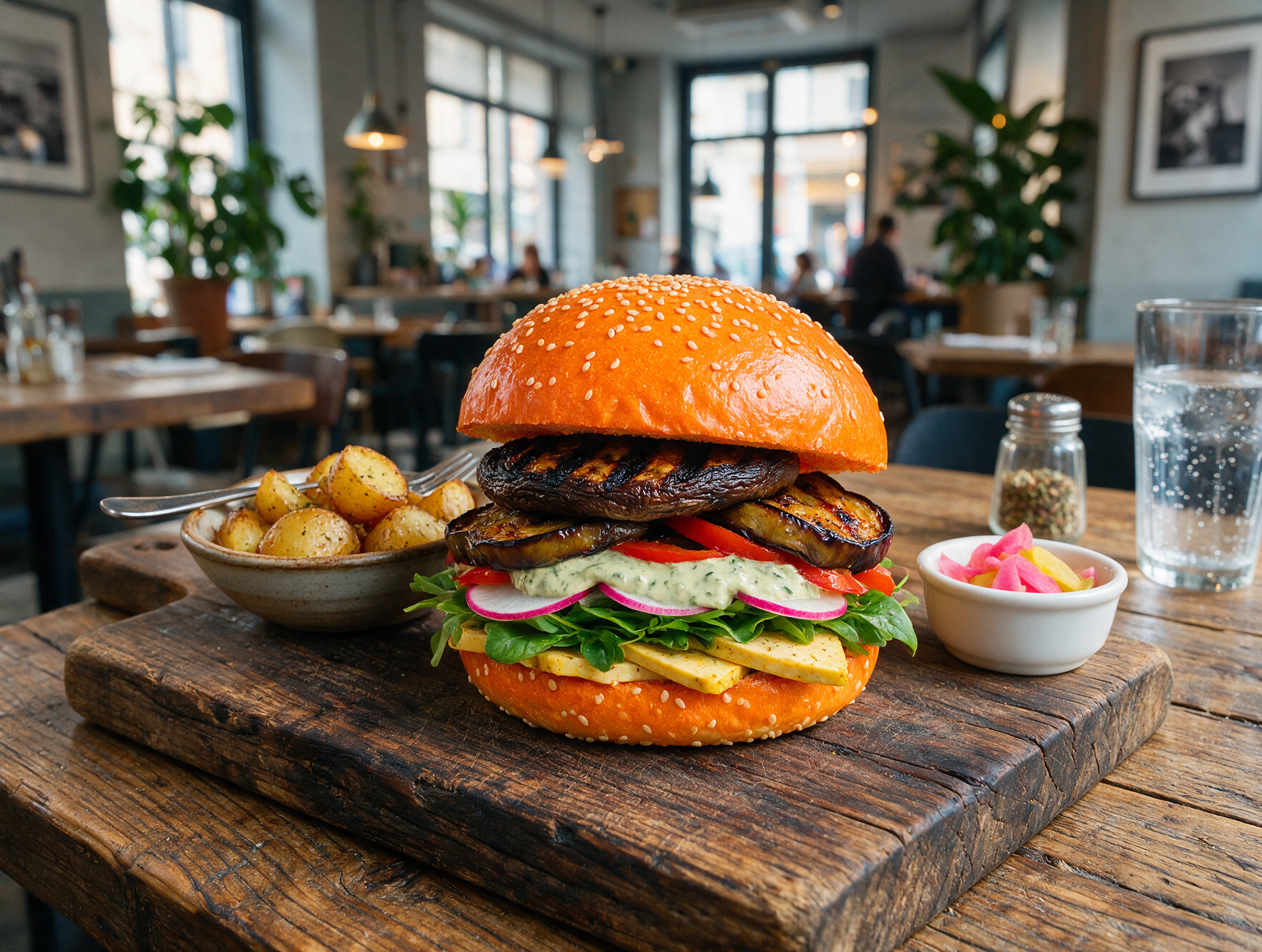
Flower Burger (multiple locations including Navigli/Porta Genova) — Colorful, fully vegan burger chain with bright-bun burgers that photograph well and taste better than the novelty presentation suggests. A good casual option after a day of sightseeing.
Amalfi Coast
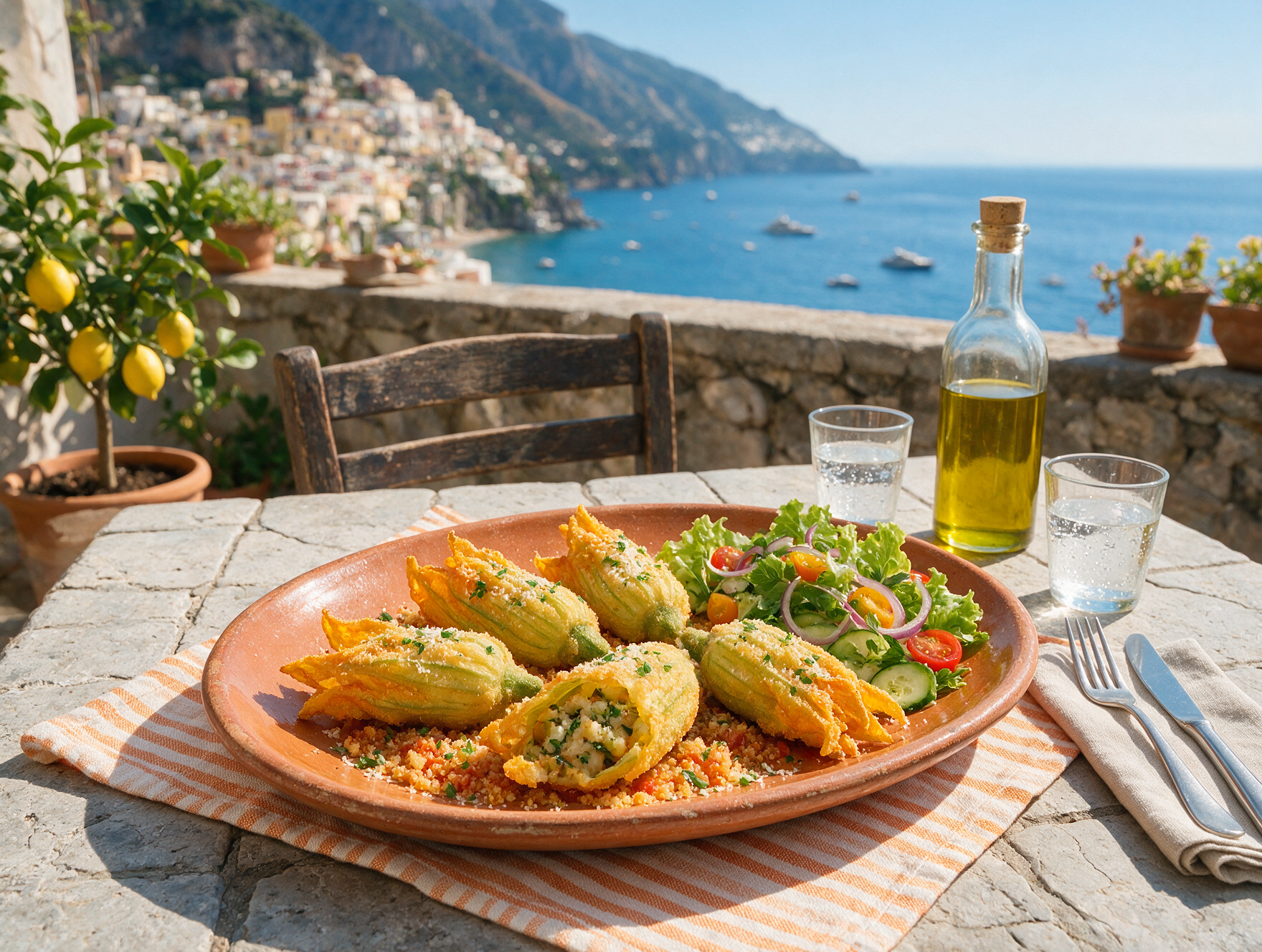
Da Gabrisa (Positano) — A dedicated vegan menu with stuffed fried zucchini flowers (tofu-filled), zucchini pasta, and a deconstructed vegan cheesecake. Staff proactively check dietary needs when you’re seated, which isn’t a given elsewhere on this stretch of coast.
L’Antica Trattoria (Sorrento) — A classic Italian restaurant with a full vegan tasting menu available alongside its standard menu, set on a terrace with live mandolin music some evenings — a rare combination of serious vegan accommodation and old-school Italian atmosphere.
Lake Como
Restaurant Kitchen Lake Como (near Villa d’Este) — A Michelin-starred restaurant with a dedicated vegan tasting menu; the pea soup and beet pasta are the standout dishes if you’d rather order those specifically than commit to the full multi-course tasting.
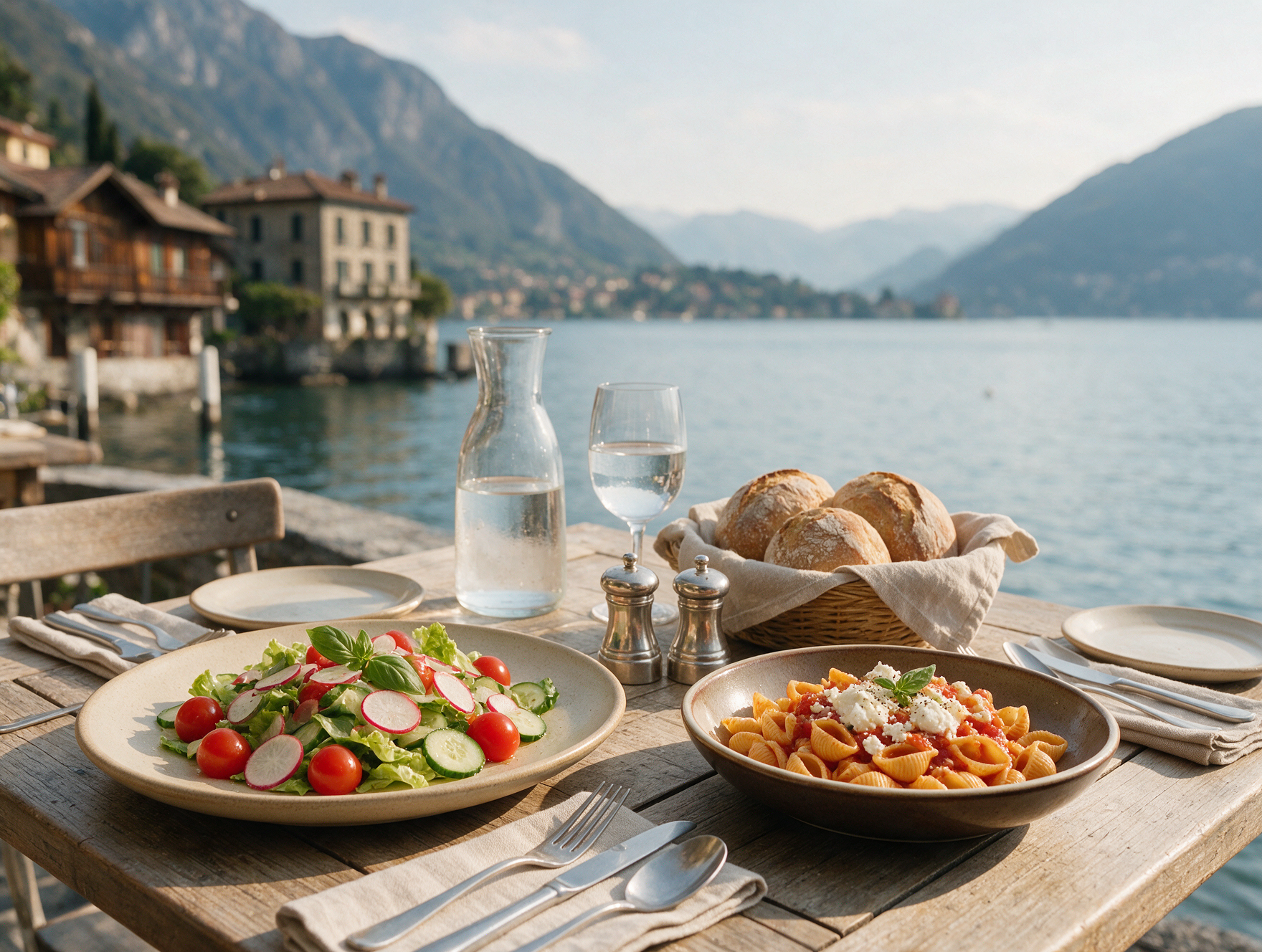
Crotto Dei Plattani (lakeside, views toward Bellagio) — Willing to accommodate vegan requests even without a formal vegan menu — a fresh vegetable salad and a larger portion of pasta shells from the kids’ menu turned out to be one of the better improvised vegan meals of the whole trip.
A Mistake to Avoid
Don’t assume a “vegetable soup” or a plain-looking pasta is vegetarian by default — many traditional Italian broths and sauces start with a meat or chicken stock, even in dishes that look entirely plant-based on the plate. Always ask “è preparato con brodo di carne?” (is it made with meat stock?) if you’re being strict about it.
Frequently Asked Questions
Is Italy easy for vegetarians?
Yes, more than most people expect — pasta, pizza, risotto, and vegetable antipasti are all naturally vegetarian-friendly, and most restaurants can adapt a dish on request even without a formal vegetarian menu.
Is Italy easy for strict vegans?
It takes more research than vegetarian travel, since cheese and butter appear in many “safe-looking” dishes, but every city on this list has at least one dedicated vegan restaurant, and the phrase “vegano/vegana” is increasingly understood even outside major cities.
Is parmesan cheese vegetarian?
Traditional Parmigiano-Reggiano uses animal rennet in production, so it’s not considered vegetarian by strict definitions, even though it contains no meat. Vegetarian-labeled hard cheeses using microbial rennet exist but aren’t the default in most Italian kitchens.
What Italian dishes are naturally vegan?
Bruschetta, many pasta al pomodoro preparations (check for butter), grilled or roasted vegetable antipasti, and most risotto bases can be made vegan on request — though risotto traditionally finishes with butter and parmesan, so always confirm.
Eat Well, Wherever You Go
A trip built around good food doesn’t have to mean compromising on dietary preferences — Get Tripped can build vegetarian and vegan-friendly dining stops directly into your Italy itinerary, city by city. See our Italy trip packages or reach out for a custom Italy itinerary that accounts for your dietary needs from day one.