Kelimutu’s three crater lakes get all the attention on Flores — and they deserve some of it, since a lake that changes color between shades of turquoise, brown, and black over the years is a genuinely strange natural phenomenon. But Kelimutu is a sunrise stop most people do in one morning and then move on from, straight to Komodo. That’s most of Flores left unseen. This island runs nearly 400km east to west and holds a cloud village built on a myth, a rice field shaped like a spider’s web, and a highland culture in Bajawa that most Komodo-focused itineraries skip entirely.
Table of Contents
- Wae Rebo — the village in the clouds
- Cancar’s spider-web rice fields
- Bena — an Ngada village in the shadow of a volcano
- Cunca Wulang — the waterfall canyon near Labuan Bajo
- Kelimutu, done properly rather than as a drive-by
- How to actually string these together
- A photography tip nobody mentions
- A smarter way to spend, not a cheaper one
- Getting to Flores from India
- A mistake to avoid
- FAQs
Wae Rebo — the village in the clouds
Wae Rebo is a UNESCO-recognized settlement in the Manggarai highlands, built around seven distinctive cone-shaped Mbaru Niang houses, and getting there is deliberately not easy — which is precisely why it’s stayed so intact. From Ruteng, it’s an overland drive followed by a genuine trek up into the hills; local guides are effectively mandatory in practice, both for navigation and because the village operates on its own customary protocol for receiving visitors, including a welcome ceremony you’re expected to take seriously rather than treat as photo content.
Most visitors stay one night inside the village itself, sleeping in a shared traditional house, which is the only way to actually experience Wae Rebo rather than just photograph it and leave. There’s no WiFi, limited phone signal, and the toilets are basic — this is not a stop for anyone expecting resort comfort, and Get Tripped is upfront about that rather than glossing over it. What you get in exchange is genuinely rare: an evening in a working traditional community that has held onto its architecture and customs specifically by making itself hard to reach.
Cancar’s spider-web rice fields
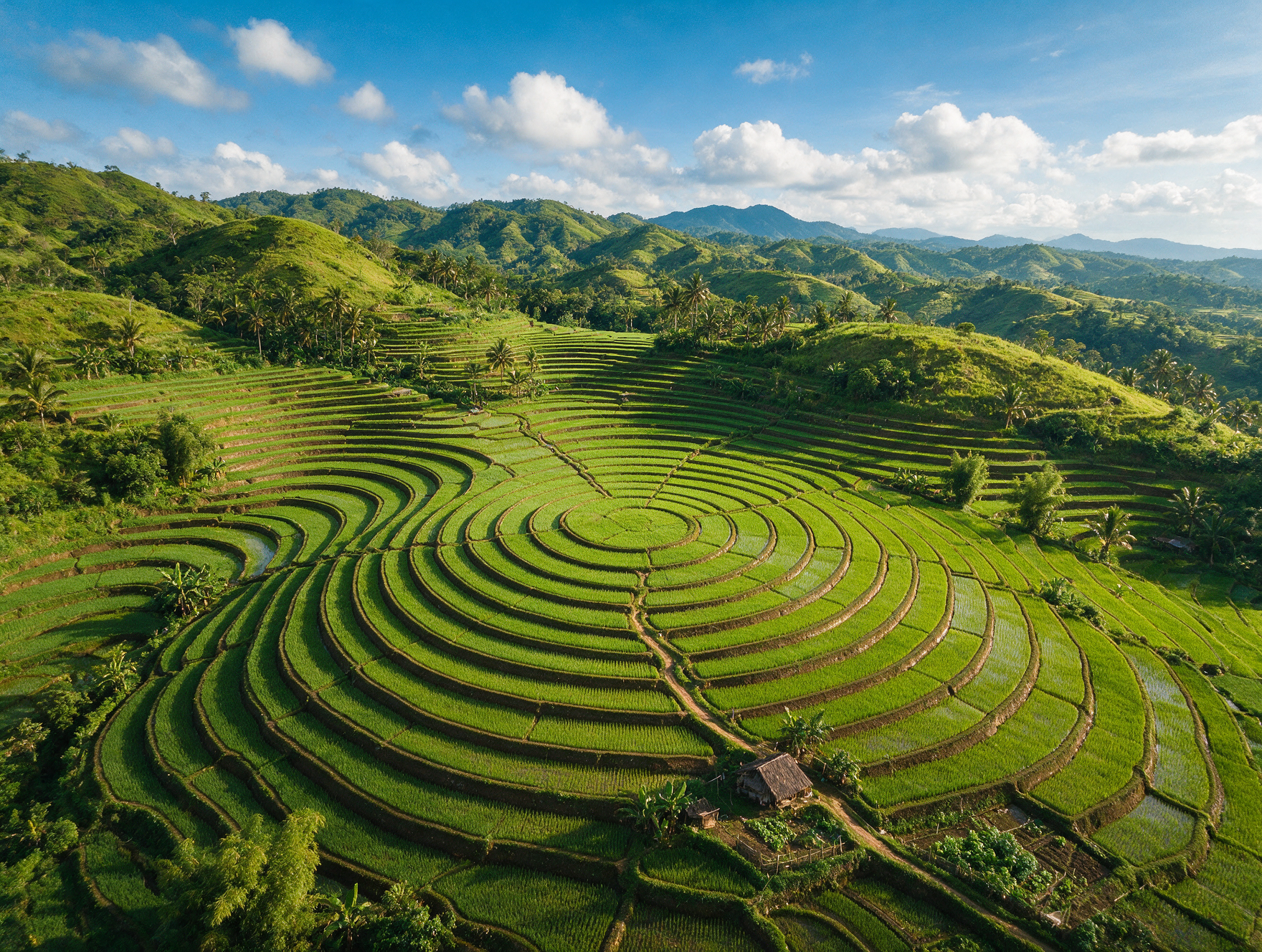
Just outside Ruteng, the terraced rice paddies around Cancar are laid out in a radiating, spider-web pattern that’s the result of a traditional land-division system called lingko, where clan land is split from a central point outward — it’s not decorative, it’s a genuinely functional agricultural and social structure that happens to look extraordinary from above. The Cara viewpoint gives you the classic overhead shot, and it’s an easy, low-effort stop to add onto a Ruteng day rather than a dedicated excursion — worth timing for mid-morning when the light and the field colors are at their best, and before the afternoon cloud cover that’s common in this part of Flores’s highlands rolls in.
Bena — an Ngada village in the shadow of a volcano
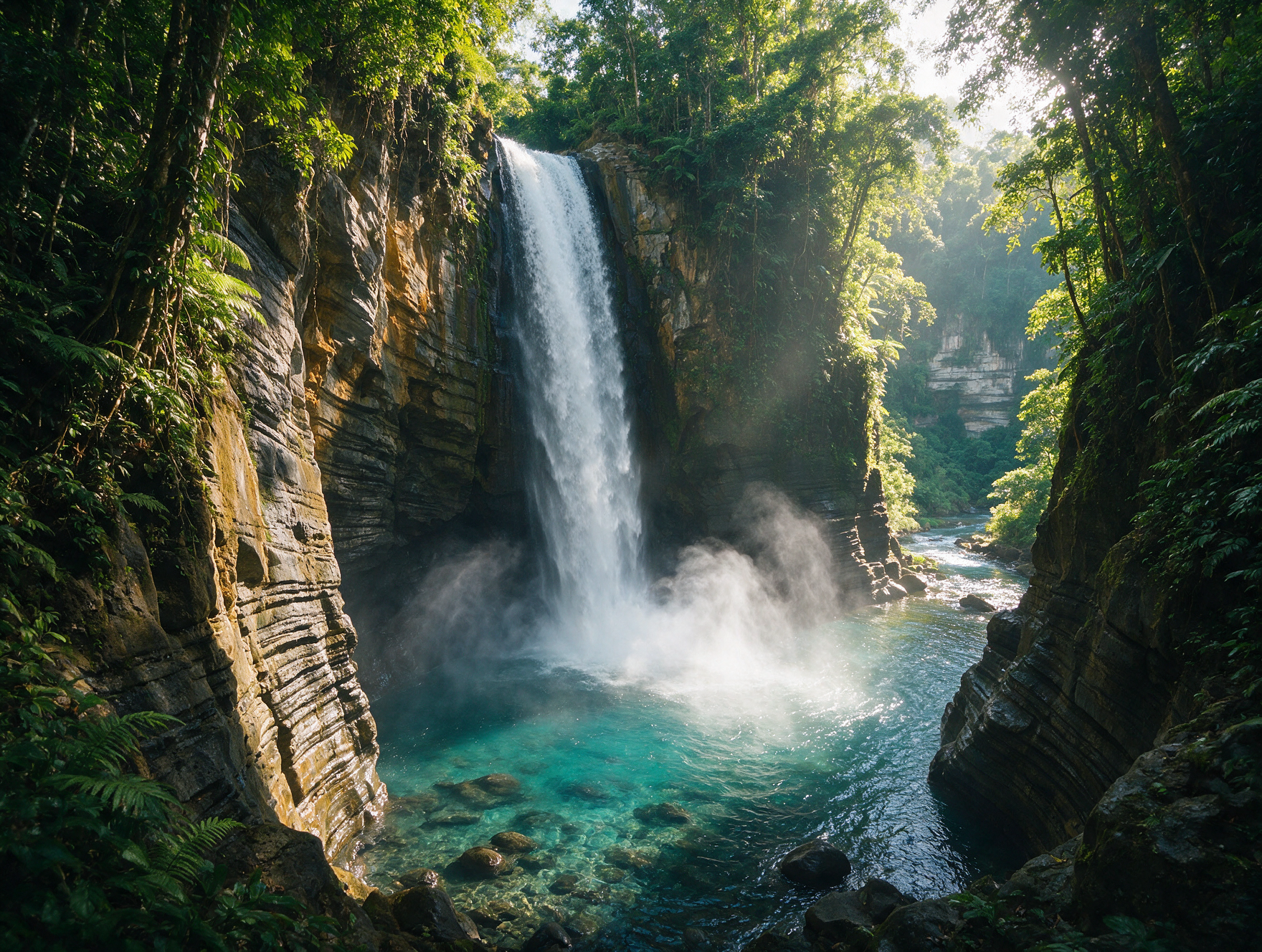
Bena sits near Bajawa, in the shadow of the active Inerie volcano, and it’s one of several traditional Ngada villages in the area — but the most visited and best preserved. Thatched-roof houses arranged around ancestral stone megaliths give the village a genuinely different architectural character from Wae Rebo’s cone-shaped houses, reflecting a distinct highland culture rather than a variation on the same one. Unlike Wae Rebo, Bena doesn’t require an overnight commitment — it’s a manageable day visit from Bajawa, which makes it the easier of the two “real village” experiences on this list if your itinerary is tighter.
A fun fact: Ngada villages like Bena still maintain animist ancestor-worship traditions alongside the Catholicism most of Flores adopted under Portuguese and later Dutch influence — the megaliths at the village center are active ritual sites, not museum pieces, which is part of why visitors are asked to be respectful about where they walk and what they photograph.
Cunca Wulang — the waterfall canyon near Labuan Bajo
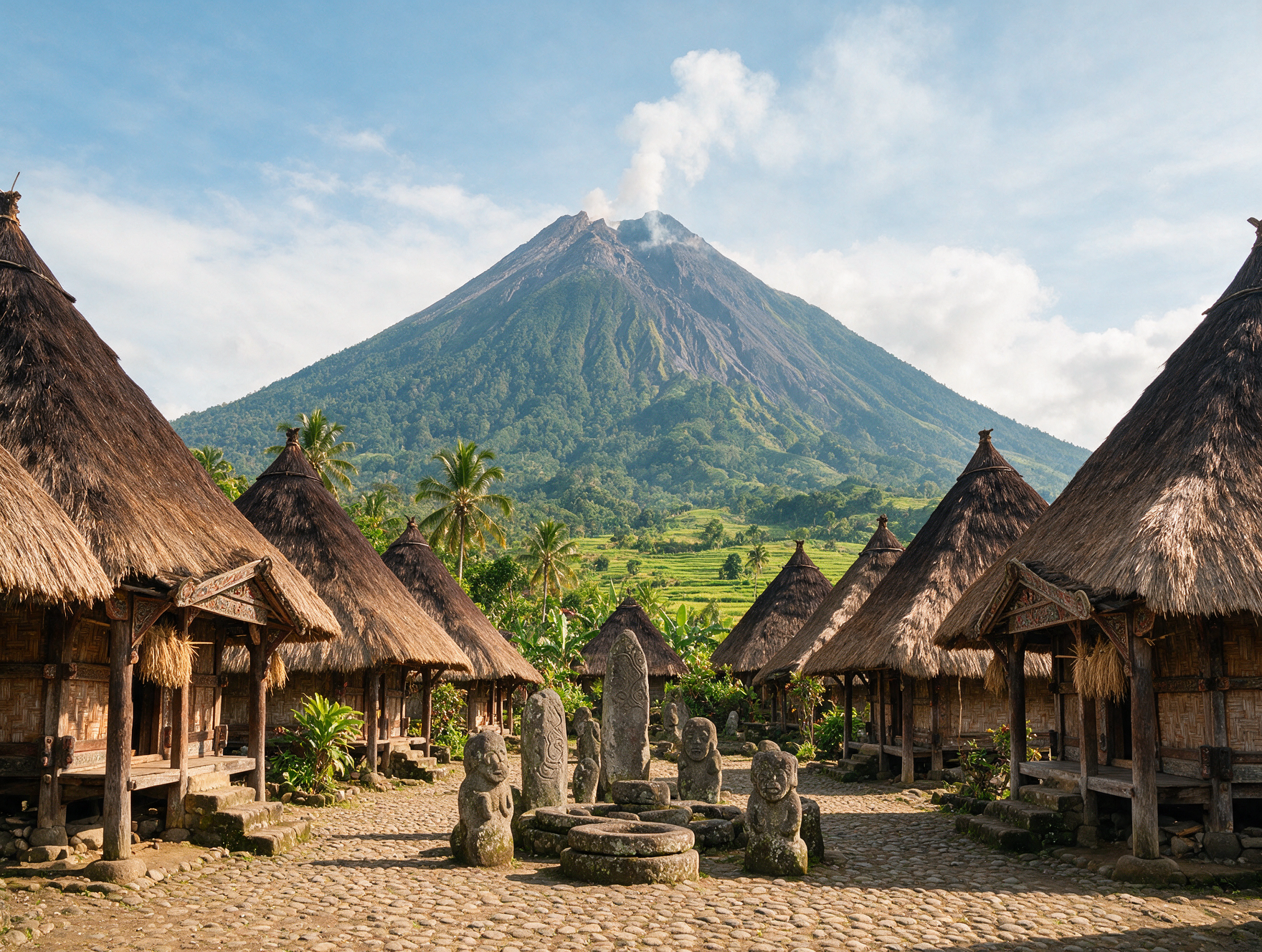
Cunca Wulang is the easiest entry on this list to actually reach, sitting close enough to Labuan Bajo that it works as a half-day trip rather than a multi-day detour — genuinely useful if your Flores time is squeezed between Komodo boat days. The draw is a waterfall dropping into a narrow canyon with striated rock walls, popular with travelers who want to cliff-jump into the pool below (optional, and worth assessing water levels with a local guide before attempting, since conditions shift with recent rainfall). Even without jumping in, the canyon walk itself, hemmed in by rock on both sides, is a striking contrast to Komodo’s dry, open savanna landscape just a short drive away.
Kelimutu, done properly rather than as a drive-by
Since Kelimutu is the one stop on this list most itineraries already include, it’s worth doing it right rather than rushing it. The classic move is a pre-dawn drive up from Moni village to catch sunrise at the crater rim — arrive by around 4:30-5am to beat both the crowd and the cloud cover that frequently rolls in by mid-morning and can obscure the lakes entirely. The three lakes’ colors shift gradually over months and years due to mineral and gas activity beneath the crater floor, so the exact shades you’ll see aren’t fixed — that unpredictability is part of what makes it worth seeing in person rather than trusting an old photo online.
How to actually string these together
A logical west-to-east (or reverse) route through Flores runs Labuan Bajo (Komodo, Cunca Wulang) to Ruteng (Wae Rebo, Cancar) to Bajawa (Bena) to Moni/Ende (Kelimutu), typically over 5-7 days depending on how much time you give Wae Rebo’s overnight stay. This is genuinely overland travel on mountain roads, not island-hopping by boat, and the driving days are long — budget realistic transfer time rather than assuming Google Maps’ driving estimate accounts for Flores’s winding highland roads.
A smarter way to spend this stretch, rather than a cheaper one: hire a private driver-guide for the full overland leg instead of stringing together local buses or public transport, which are slow and infrequent in this part of Flores. The cost difference is modest against what it buys in flexibility — stopping at Cancar for twenty extra minutes of good light, or adjusting the Wae Rebo trek start time around weather, isn’t something a fixed public transport schedule allows.
Who this route suits
This is a trip for travelers who want cultural depth over beach time — if Flores for you means Komodo and a boat trip, most of this list won’t tempt you. But for luxury and experience-driven travelers looking for something genuinely few other visitors do, and for couples or small groups comfortable with a night of basic accommodation in exchange for a real cultural encounter, Wae Rebo in particular delivers something Bali and Komodo simply can’t. This isn’t a great add-on for families with young children, given the trekking involved and Wae Rebo’s basic facilities.
A photography tip nobody mentions
Everyone shoots the Cancar rice fields from the designated Cara viewpoint straight on. Walk a little further along the ridge road and shoot at an angle instead — the spider-web pattern actually reads more clearly at a slight diagonal than dead-on, since the radiating lines separate better against each other rather than compressing into a single flat pattern from directly above.
A smarter way to spend, not a cheaper one
The Wae Rebo overnight is the one place on this route worth not economizing on the guide. A cheap, rushed guide will get you up and down the trek and through a basic welcome ceremony; a genuinely good one will translate what the village elder says during the ceremony, explain the meaning behind the house architecture, and know enough of the families personally to make the overnight stay feel like a real exchange rather than a transaction. That difference in guide quality matters more here than at almost any other stop in Indonesia, precisely because so little of what makes Wae Rebo worthwhile is visible without someone explaining it.
Getting to Flores from India
There’s no direct flight from India to Flores. The standard routing connects through Jakarta or Bali (Denpasar) to Labuan Bajo’s Komodo Airport (LBJ), which is also where any overland highlands route begins and ends. Most Get Tripped Indonesia itineraries that include Flores’s interior route this as Bali-to-Labuan Bajo by short domestic flight, then overland east through Ruteng and Bajawa, looping back to Labuan Bajo or continuing on to Ende for the flight out — worth deciding early, since backtracking overland adds real days you might not want to spend twice.
A mistake to avoid
Booking the Wae Rebo trek without checking the weather window first. The trail up gets genuinely slick and can turn dangerous in heavy rain, and Flores’s highlands see considerably more rainfall than the dry savanna around Labuan Bajo and Komodo — a clear morning in Labuan Bajo says nothing about conditions up in Ruteng’s hills. Build a buffer day into the itinerary around this specific leg if you’re traveling in the wetter months.
FAQs
How many days do I need to see Flores beyond Komodo and Kelimutu?
Plan 4-5 additional days for a proper overland route covering Wae Rebo, Cancar, and Bajawa on top of the standard Komodo and Kelimutu stops — less if you skip the Wae Rebo overnight, more if you want unhurried time in each highland town.
Do I need a permit to visit Wae Rebo?
There’s no formal government permit, but a local guide is effectively required both for the trek and to navigate the village’s customary welcome protocol — this isn’t a spot to visit informally without one.
Is Cunca Wulang safe for cliff jumping?
It can be, with a local guide assessing current water levels and conditions — this isn’t something to attempt independently, since water depth and clarity change with rainfall and recent conditions matter more than what any guidebook says.
What’s the best time of year to visit Flores’s highlands?
April to October is the dry season and generally the more reliable window for both trekking and clear crater views at Kelimutu; the wet season (November-March) brings lusher rice-field scenery around Cancar but a higher chance of cloud cover obscuring Kelimutu’s lakes.
How do I get from Labuan Bajo to the Flores highlands?
By road — it’s a genuinely long overland drive with no rail or practical flight option between these towns, which is why most people who go beyond Komodo hire a driver-guide for the full route rather than piecing it together themselves.
Flores is where an Indonesia trip stops being just beaches and boat days and turns into something with real cultural weight — Wae Rebo especially isn’t a place most travelers even know to ask for. Get Tripped can build a proper Komodo-plus-highlands Flores route into your Indonesia itinerary — get in touch and we’ll map it out.